
The History of Viking Jewelry: From Ancient Finds to Modern Interpretations
The history of Viking jewelry is a story written in metal, bone, and glass, one that spans three centuries of craftsmanship and continues to captivate us more than a thousand years after the last Viking ship made landfall.
Far from the trinkets popular culture might suggest, viking jewelry represents some of the most sophisticated metalwork of the early medieval period. These weren't merely decorative objects but powerful symbols of wealth, status, religious devotion, and cultural identity.
Understanding how these pieces evolved, what they meant to their wearers, and how they've been reinterpreted in our modern age reveals something profound about both the Norse people and our enduring fascination with their world.
The Origins of Norse Adornment: Pre-Viking Foundations
Long before the Viking Age officially began in 793 AD, Scandinavian people were already skilled in decorating themselves. Ancient Norse jewelry from the Vendel Period (550–790 AD) shows the early styles and techniques that later shaped Viking design. These pieces often featured intricate animal motifs and advanced metalwork, laying the groundwork for what would become Viking craftsmanship.
The shift from Vendel styles to Viking design happened gradually, not overnight. As Scandinavian traders and travellers came into contact with Celtic, Frankish, and Byzantine cultures, they began to borrow new ideas and influences. This mix of styles became a defining feature of viking age adornment, creating jewellery that blended outside inspiration with a look that was still clearly and recognisably Norse.

The Golden Age of Viking Craftsmanship: 9th to 11th Centuries
Between about 800 and 1050 AD, Viking jewellery reached its peak. During this time, Norse craftspeople refined their skills and developed a series of recognisable styles that are still used today to describe the evolution of Viking art.
These styles, known as Oseberg, Borre, Jelling, Mammen, Ringerike, and Urnes, didn’t appear all at once. Each one built on what came before it, gradually introducing new patterns, techniques, and influences. Each style built upon its predecessors while introducing new motifs and techniques, tracing a clear evolution of viking style across three centuries of creative development.
One of the earliest, the Borre style, is known for its “gripping beast” designs, where stylised animals appear to clutch the edges of the piece. Later styles like Mammen and Ringerike began to show influences from mainland Europe, adding flowing plant shapes alongside the traditional animal forms. By the Urnes style in the 11th century, these interwoven designs had become more delicate, balanced, and refined, marking the most sophisticated phase of Viking art.
Materials used in Viking jewellery depended on both wealth and what was available locally. Silver was the most common, while richer people wore gold, and others used bronze, iron, or jet. Colourful glass beads, traded from as far away as the Middle East and the Byzantine Empire, added a sense of colour and rarity. Amber from the Baltic region was also popular, linking Viking jewellery to long-standing trade routes that had existed for thousands of years.

Archaeological Treasures: How We Came to Know What We Know
Our understanding of the history of Viking jewelry owes almost everything to archaeological discovery. The discipline of Norse archaeology began during the 19th century, when excavations unearthed treasures that had lain hidden for nearly a thousand years.
Several major discoveries have helped us understand just how skilled Viking craftspeople were. The Hoen Hoard, found in Norway in 1834, included some of the finest gold pieces from the Viking Age, such as detailed brooches and pendants that highlight the high level of craftsmanship involved. In Sweden, the Spillings Hoard, discovered on the island of Gotland in 1999, uncovered more than 14,000 silver items weighing over 67 kilograms. This find showed just how much silver was in circulation during the Viking period.
Burial sites have also revealed valuable insights. The Oseberg ship burial, uncovered in 1904, contained not only the famous ship but also personal ornaments belonging to the high-status women buried inside. These items show that ancient Norse jewellery was worn in life and placed in graves as part of burial traditions, likely to accompany the dead into the afterlife.
Another important discovery was the Galloway Hoard, found in Scotland in 2014. It contained objects from across Ireland, England, continental Europe, and Scandinavia, highlighting how Viking jewellery travelled widely through trade, raiding, and exchange. Together, these finds show how far-reaching and interconnected Viking society really was.
Symbolism Woven in Silver and Gold
Unlike purely decorative modern accessories, this viking age of adornment carried profound symbolic weight. The most iconic example is undoubtedly the Mjölnir pendant, representing Thor's hammer. These protective amulets proliferated during the 9th and 10th centuries, and their popularity seems to have intensified as Christianity began making inroads into Scandinavian society.
Some scholars interpret the hammer pendants as deliberate statements of pagan identity in the face of religious change, though others suggest they may have been worn more as general good-luck charms.
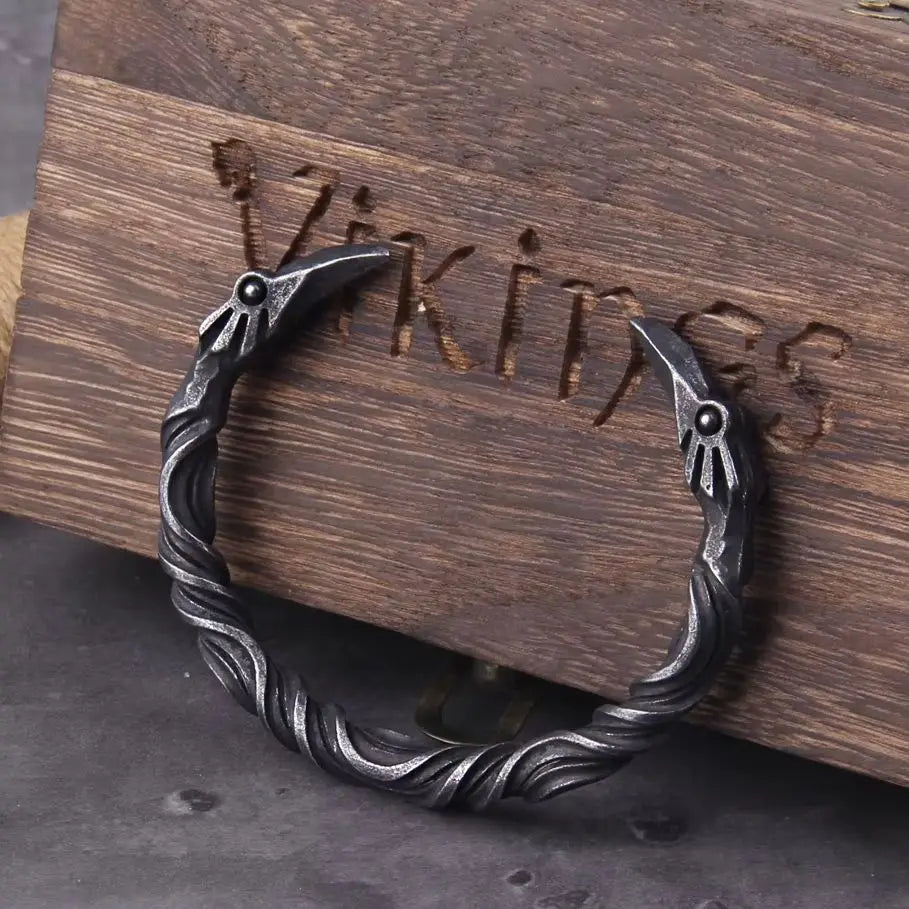
Viking necklaces often carried symbolic meaning. Coloured beads may have represented ideas we no longer fully understand, while pendants shaped like ravens likely referred to Odin’s birds, Huginn and Muninn. Other common designs included Valkyries, small weapons, and horses, turning necklaces into wearable symbols drawn from Norse myth.
Arm rings were especially important in Viking society. More than jewellery, they acted as portable wealth and signs of loyalty. Leaders gave arm rings to followers as rewards for service, so a warrior’s bracelet showed both his status and the respect he had earned.
Regional Variations Across the Viking World
The Viking world stretched from Newfoundland to Constantinople, and this wide reach led to distinct jewellery styles across regions. On Gotland, a key trading island in Sweden, craftspeople created distinctive designs, including detailed box brooches found only in that area.
In parts of England under Viking control, Norse settlers blended their own designs with Anglo-Saxon styles, creating new hybrid forms. Vikings in Ireland and Scotland also adopted local influences, mixing traditional animal motifs with Celtic knotwork.
The evolution of viking style can be seen not just over time, but across geography, as Norse design adapted to local cultures while remaining recognisably Viking from one region to another.
From Burial Hoards to Living Tradition: The Modern Revival
In the 19th century, the Romantic movement renewed interest in Viking culture, including jewellery. As Scandinavian countries explored their national identity, designers began creating new pieces inspired by archaeological finds and the history of Viking jewelry. This interest grew throughout the 20th century, helped along by fantasy books, music, and later television shows.
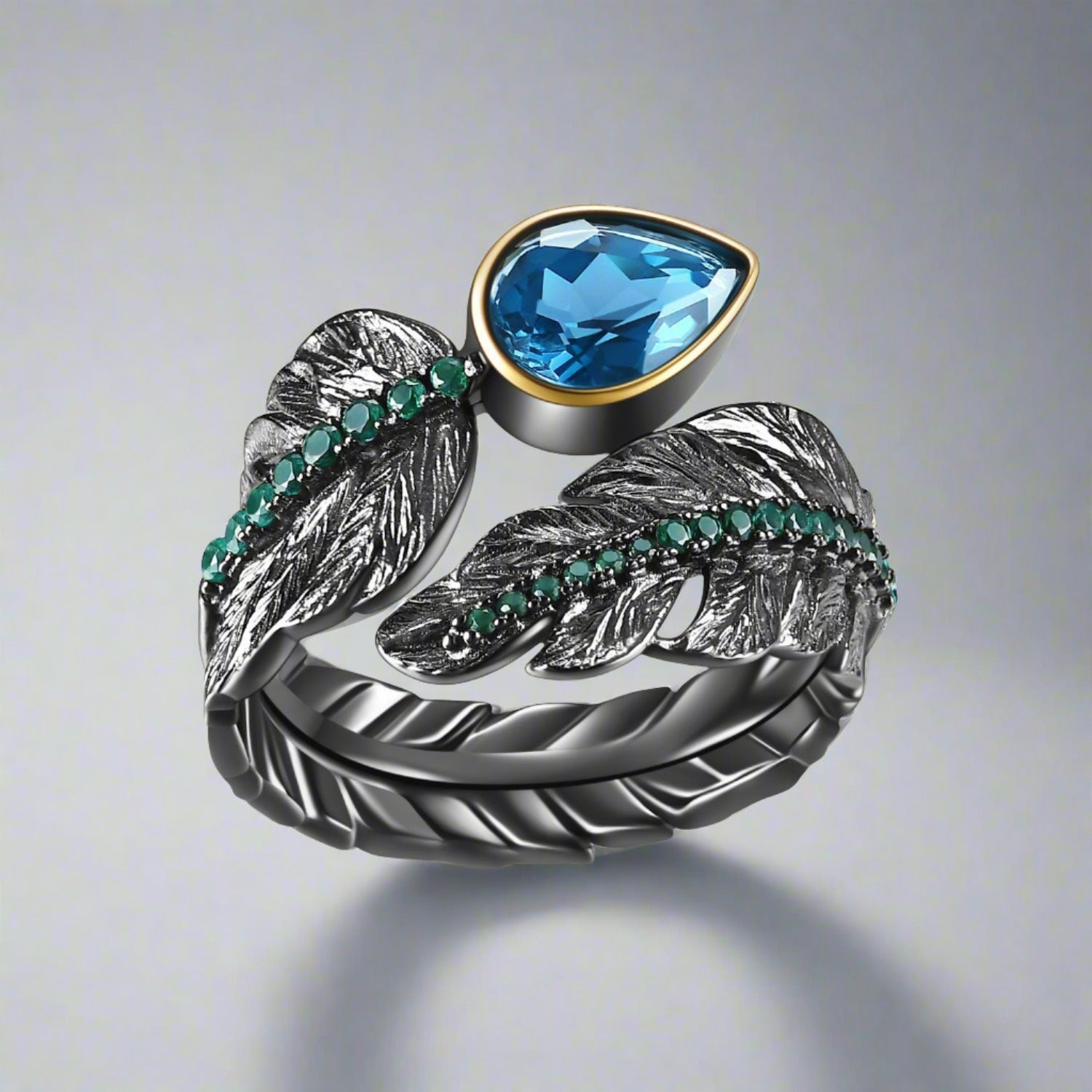
Today’s jewellers continue to draw from the history of Viking jewelry, but interpret it in different ways. Some aim for historical accuracy, using traditional techniques and designs based on museum examples. Others take a more modern approach, reworking Norse motifs into contemporary styles that reflect the past without copying it exactly.
The result is a wide range of Viking-inspired jewellery, from faithful reproductions to modern designs. Whether worn to honour heritage, express personal beliefs, or simply for its bold aesthetic, these pieces carry forward a long tradition of personal adornment rooted in Norse culture.
A Legacy Forged in Metal
Archaeological finds show that Viking jewellery was more than decoration. Personal ornaments were used to express status, beliefs, regional identity, and social connections. Each arm ring, hammer pendant, or strand of glass beads tells us something about the person who wore it and the society they lived in.
The fact that these designs still inspire modern makers shows how strong Viking artistry remains. The evolution of viking style hasn’t stopped: it continues today, as each generation reinterprets these ancient designs in new ways.
Carry the Legacy Forward
Whether you're drawn to the protective symbolism of Thor's hammer or the intricate beauty of Norse knotwork, wearing Viking jewelry connects you to a lineage of craftsmanship stretching back over a thousand years. These pieces weren't created to sit behind museum glass but to be worn, touched, and treasured as part of daily life.
At Viking Trinkets, we honour that tradition by crafting pieces that capture the spirit of authentic Norse design. Our viking jewelry collection draws inspiration from the archaeological discoveries and artistic styles explored throughout this article, bringing the weight of history to contemporary pieces you can wear every day.
From viking necklaces featuring iconic Mjölnir pendants and raven motifs to bold viking bracelets that echo the arm rings once gifted between lords and warriors, each piece carries meaning forged across centuries.
Explore our collection and find the piece that speaks to you.